
- Eat Less
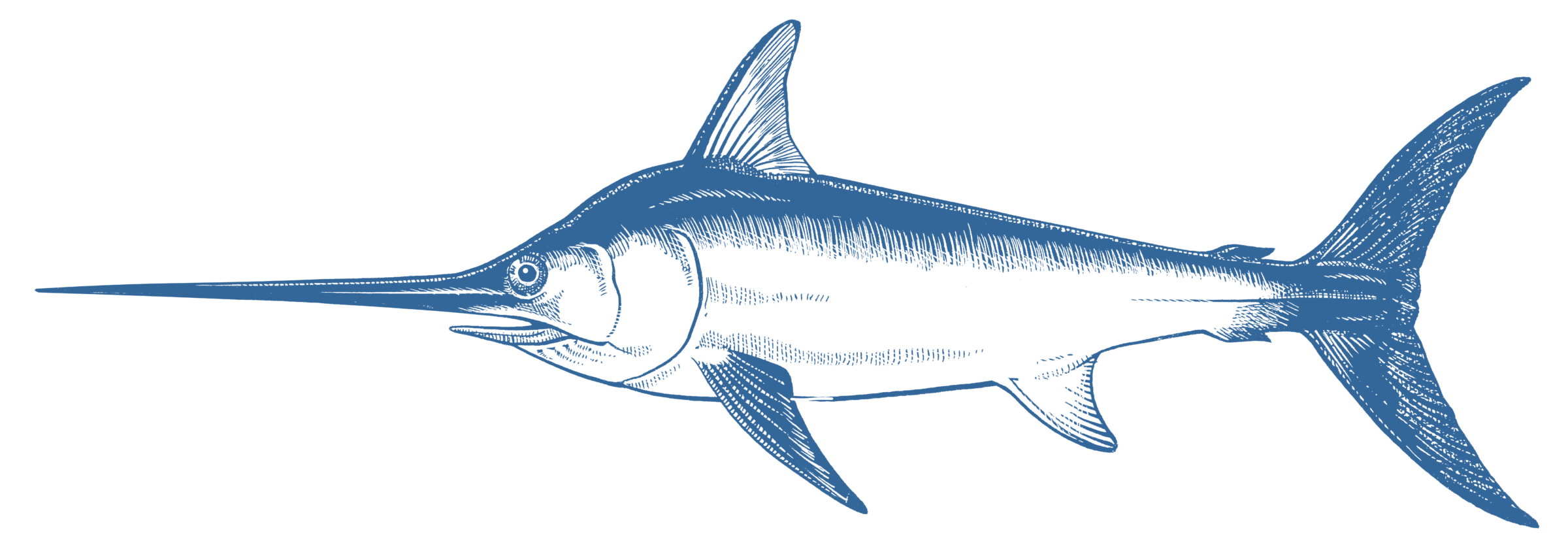
Swordfish
Latin name: Xiphias gladius
Common name: Broadbill Swordfish
Share



- Eat Less
Wild Caught
Region:
Western Commonwealth waters
- Swordfish is a migratory species caught by a number of different countries, including Australia, where fisheries operate along the eastern and western coastlines
- The vast majority of Australian-caught swordfish are from the eastern fishery
- The swordfish population fished off Western Australia is healthy
- Swordfish are caught on longlines that also catch endangered wildlife, such as turtles, seabirds, whales and dolphins
- Video monitoring of fishing boats operating in the tuna fisheries is a welcome advance, improving confidence in fishery log book reports
- The Australian tuna fishing industry has lobbied extensively to open protected marine sanctuaries to their fishing with some success. This shows a disappointing lack of environmental leadership
- Western Tuna and Billfish Fishery (WTBF: 116t in 2024)
Swordfish is a highly migratory species, fished throughout its range in the Pacific, Indian and Atlantic Oceans, as well as the Mediterranean Sea.
Swordfish is caught in two fisheries in Australia that mainly target tuna. Two different stocks are caught in Australian fisheries; the WTBF catches the Indian Ocean stock, which is thought to be healthy. These fish are also caught in fisheries managed by other nations.
Swordfish are caught using longlines in Australian waters, which also catch a range of threatened species. Because swordfish fishing usually occurs at night, there is a lower expected impact on seabirds than in other longline fishing targeting tunas. However, they are often deployed nearer to the ocean surface than in tuna fishing, causing a greater impact on turtles.
Independent Video monitoring across the fishing fleet was rolled out in 2015. This welcome progress provides confidence in reporting of wildlife affected by the fishery. However, video monitoring has identified that fishers were significantly under-reporting how much endangered wildlife was killed in the past, which means that the impact of this fishery is substantially higher than previously thought. Since cameras have been installed on boats, the number of turtles, seabirds, whales and dolphins recorded as caught has significantly increased.
Despite this, most current management arrangements for the ecological risks of the fishery to endangered species is based on unreliable information collected before the implementation of cameras, though there is now 10 years of reliable data available to the fishery.
The relatively very low level of fishing activity in the WTBF in recent years significantly reduces the risk that fishery poses to threatened and endangered bycatch species.
Turtles, whales, dolphins and seabirds are at risk from multiple threats, including fishing. Given the small scale of the Western Australian tuna fishery relative to international tuna fisheries, it is unlikely that this fishery is the major driver of on-going population declines in these species of endangered wildlife.
Marine sanctuaries, areas where fishing is not allowed, provide valuable protection to species, allowing for greater confidence in surrounding fisheries.
The Australian tuna fishing industry has extensively lobbied for the removal of marine sanctuary protection in areas where they want to fish. They have been successful on multiple occasions.
Marine sanctuaries are a fundamental part of healthy oceans, and their targeted reduction is not in the best interest of the ocean or the industry. This continued effort to undermine marine sanctuaries is a disappointing lack of environmental stewardship.
