- Better Choice
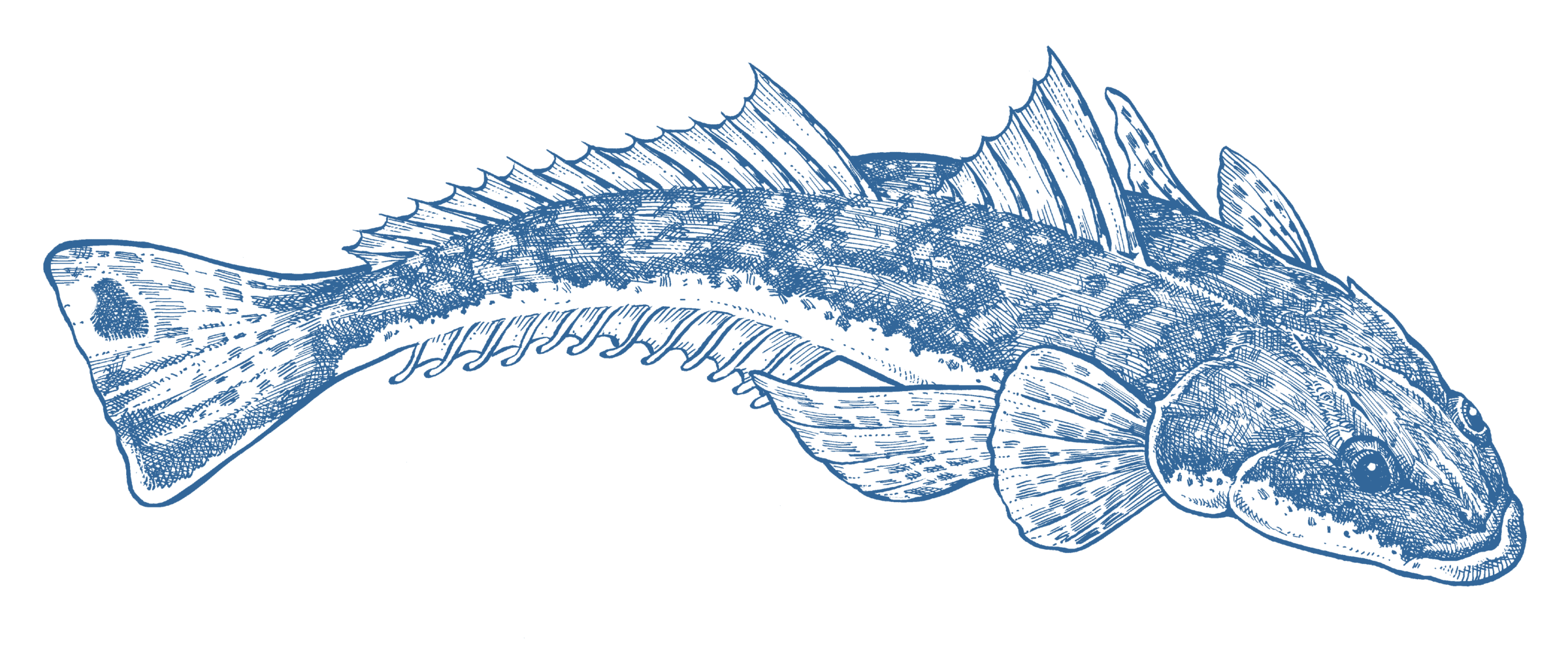
Dusky Flathead
Latin name: Platycephalus fuscus
Common name: Flathead
Share



- Better Choice
Wild Caught
Region:
NSW
- Dusky flathead is mostly caught using gillnets, and also by haul seine nets, in estuaries throughout New South Wales.
- Dusky flathead populations in NSW are considered healthy.
- Bycatch of threatened and protected species is likely to be low, despite concerns over the absence of any reliable recent independent information collection.
- The nets used to catch dusky flathead generally have a low impact on habitats.


Flathead is a versatile and affordable fish that will fast become a favourite of the whole family. Boneless ‘tails’ are great for the kids. These can be pan-fried, barbecued or baked in the oven for a no-fuss dinner. They are also excellent crumbed (or battered) and then pan-fried or deep-fried for perfect fish and chips. Whole flathead can be roast in a hot oven with oil, salt, lemon and herbs. They make an impressive centrepiece, and the firm moist flesh will fall easily away from the bones, making them easy to serve and eat.
- NSW Estuary General Fishery (1102t in 2023/24)
Dusky flathead are found in estuaries, lakes and coastal bays on the east coast of Australia. They are occasionally found in freshwater, and are associated with sand, mud and seagrass soft sediment habitats.
Dusky flathead are caught commercially in QLD, NSW and Victoria. Dusky flathead are caught using demersal gillnets and haul seine methods, with the largest fishery being NSW’s Estuary General Fishery.
Populations in NSW appear healthy, as commercial catches are stable compared to long-term fishery catch records, indicating that overfishing is not occurring. There are some declining fishery metrics which will require careful monitoring in future.
Marine parks and extensive commercial fishing closures in estuaries likely provide a degree of protection and resilience.
It is likely that these fisheries have a low catch of threatened and protected species based on previous independent observer records of bycatch in NSW, although there has been no observer coverage to verify logbook reporting of threatened species interaction reporting since 2009. While there is no observer coverage, it is highly unlikely that there are significant interactions with endangered wildlife.
The NSW fishery also catches mulloway, a species that is overfished in NSW. Recent population data and improved management suggests that flathead fishing is not impeding the recovery of mulloway populations.
Fishing for dusky flathead generally takes place in estuaries and nearshore environments using various types of nets, all of which have a low impact on habitats.
As fishers are present at the nets during fishing, endangered wildlife can be released alive.
