

- Say No
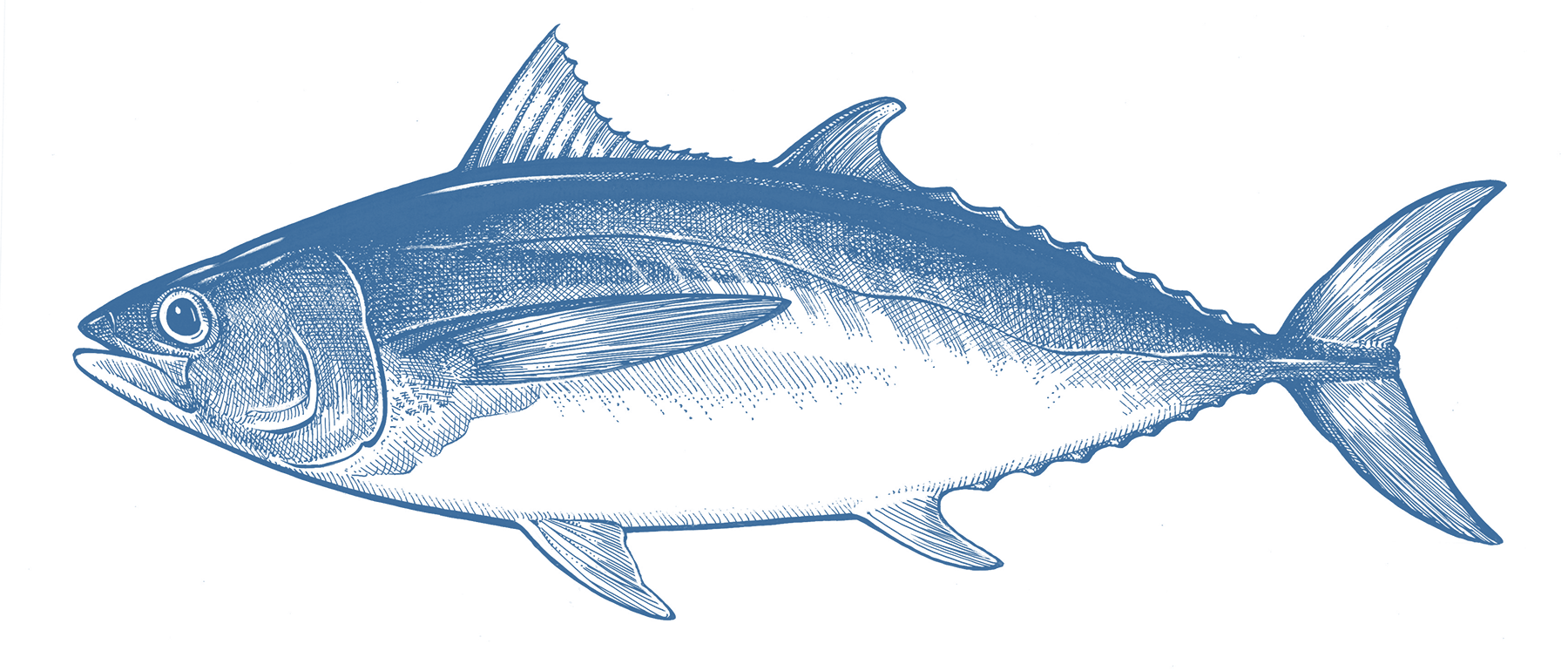
Bigeye Tuna
Latin name: Thunnus obesus
Common name: Tuna
Share



- Say No
Wild Caught
Region:
Eastern Australia
- Bigeye tuna is a migratory species caught by a number of different countries, including Australia
- The vast majority of Australian bigeye tuna is caught offshore off our east coast
- Sufficient action has not been taken to prevent the bycatch of turtles, such as the critically endangered West Pacific leatherback turtles which are at high risk from this fishery
- Bigeye tuna is listed as 'Vulnerable' on the IUCN Red list.
- The population of bigeye tuna fished are likely to be healthy, though international fishing pressure is unknown but likely significant
- Bigeye tuna are caught on longlines that also catch endangered wildlife, such as turtles, seabirds, whales and dolphins
- Video monitoring of all fishing boats operating in the fishery is a welcome advance, improving confidence in fishery log book reports
- The Australian tuna fishing industry has lobbied extensively to open protected marine sanctuaries to their fishing with some success. This shows a disappointing lack of environmental leadership
- Commonwealth Eastern Tuna and Billfish Fishery (300t in 2024)
Bigeye tuna is a highly migratory species that is fished all over the world, with populations and impacts influenced by a number of different countries.
Due to high demand for bigeye tuna, fishing pressure on the species is intense. Bigeye tuna is listed as ‘Vulnerable’ to extinction on the IUCN Red List.
Since last assessed, the population of bigeye tuna targeted by this fishery appears to have rebuilt to a healthy level.
Bigeye tuna are caught using longlines in Australian waters, which also catch a range of threatened species. Turtles, whales, dolphins and seabirds are at risk from multiple threats, including fishing. It is imperative that cumulative impacts are considered, and that fisheries are precautionary when reacting to threatened species interactions.
Independent video monitoring across the fishing fleet was rolled out in 2015. This best practice management measure provides confidence in reporting of wildlife affected by the fishery. However, video monitoring identified significant under-reporting of deaths of endangered wildlife in the past.
Thanks to the now reliable bycatch data, managers have been able to identify several species at high risk from this fishery including turtles, albatrosses and marine mammals.
However, even after 10 years of reliable data, there has been no effective effort from industry or managers to protect most bycatch species.
Of particular concern, this fishery has reported bycatch of between 13-35 critically endangered leatherback turtles per year since 2020. There are only around 1400 mature nesters thought to be left in the population impacted by the fishery, and it is declining at around 6% annually.
In comparison, a US-managed longline fishery that impacts the same leatherback turtle population closes when yearly bycatch reaches 16 leatherbacks.
This fishery has been aware of these turtles being caught for several years and has made no significant changes to their operation.
In contrast, better protection arrangements and obligations on the fishery to protect seabirds have resulted in additional management that should effectively reduce the impact of the fishery.
Marine sanctuaries, areas where fishing is not allowed, provide valuable protection to species, allowing for greater confidence in surrounding fisheries.
The Australian tuna fishing industry has extensively lobbied for the removal of marine sanctuary protection in areas where they want to fish. They have been successful on multiple occasions.
Marine sanctuaries are a fundamental part of healthy oceans, and their targeted reduction is not in the best interest of the ocean or the industry. This continued effort to undermine marine sanctuaries is a disappointing lack of environmental stewardship.